
After a basement flood, prompt moisture removal is critical to stopping mold before it takes hold. In Indianapolis, heavy downpours and outdated drainage systems can leave basements vulnerable to lingering dampness. Engaging experienced Water Damage Restoration Indianapolis teams ensures that flood cleanup, moisture removal, and structural drying happen effectively. By coordinating rapid water extraction, ventilation, and dehumidification, homeowners can interrupt mold’s growth cycle and safeguard their indoor air quality from spore proliferation.
How do you prevent mold growth in a flooded basement?
Preventing mold growth begins with understanding the timeline of spore colonization. Mold spores can germinate within 24–48 hours of exposure to moisture, so swift action is essential. Even minor floods demand the same urgency as major inundations if humidity remains elevated. By addressing water intrusion and humidity control together, homeowners can deny mold the environment it needs to flourish.
Assessing Water Intrusion
Homeowners should first map the scope of flooding by identifying all entry points—cracks in foundation walls, cold joints, or leaks around utility penetrations. This inspection sets the stage for targeted dry-out efforts. Noting water depth and distribution helps technicians choose the right pumps and vacuums. A clear assessment also highlights hidden pockets of moisture that could foster mold if overlooked.
Monitoring Moisture Levels
Once standing water is removed, monitoring is vital. Infrared cameras and moisture meters detect dampness behind drywall, under flooring, and within wood framing. Regular readings help verify when materials have reached safe dryness thresholds. Continuous tracking prevents premature wrap-up of drying efforts and limits the risk of concealed mold growth.
Deep Cleaning and Disinfection
After water extraction, thorough surface cleaning removes organic residues that feed mold. A detergent wash followed by an EPA-approved antimicrobial solution neutralizes spores on concrete and masonry. Porous materials like insulation or upholstery that remain damp after cleaning should be discarded. Proper disposal reduces the load of viable spores left behind.
Temperature and Humidity Control
Mold favors temperatures between 77°F and 86°F and humidity above 60%. Keeping indoor conditions outside this range impedes spore germination. Industrial air movers push warm, moist air toward dehumidifiers, which extract water vapor and lower humidity. Maintaining relative humidity below 50% throughout the dry-out phase closes the window for mold colonization.
Water Damage Restoration Indianapolis: Key Strategies for Mold Prevention

Water Damage Restoration Indianapolis professionals recommend a comprehensive four-step workflow—extract, dry, clean, and verify—to prevent post-flood mold growth. Each step interlocks to create an environment hostile to fungal proliferation. By integrating advanced equipment and expertise, homeowners minimize structural damage, health risks, and remediation costs.
Professional Water Extraction
High-capacity submersible pumps handle bulk water removal, reducing flood levels in minutes rather than hours. Technicians follow with truck-mounted or portable wet/dry vacuums to clear residual moisture. Rapid extraction shortens the time surfaces remain wet, crucial for mold containment. Safety protocols include shutting off electrical circuits and wearing protective gear during pump operation.
Structural Drying Techniques
After bulk water removal, structural drying begins with strategically placed air movers and dehumidifiers. Air movers create laminar airflow across walls and floors, promoting evaporation. Dehumidifiers maintain consistent humidity control by cycling moist air through refrigeration coils. The synergy of airflow and dehumidification accelerates drying beyond what open windows and fans alone can achieve.
Surface Treatment and Antimicrobials
Concrete, block, and wood surfaces receive a two-part treatment: an EPA-registered antimicrobial to kill existing spores, followed by a sealant that blocks moisture vapor transmission. Treated areas resist re-colonization when humidity spikes temporarily. In high-risk zones, penetrating sealants can bond at the molecular level, reinforcing long-term moisture barriers within porous materials.
Ongoing Moisture Monitoring
Before clearing out equipment, technicians perform final moisture readings on key building components. Walls, joists, subfloors, and even field-tested contents pass through moisture meters. A documented dryness report ensures accountability and offers homeowners peace of mind that conditions no longer support mold growth. Periodic follow-up inspections can catch any rebound moisture from external leaks or groundwater intrusion.
Why is timely basement drying crucial for mold prevention?
Understanding the mold growth window underscores the importance of swift intervention. If a basement remains saturated beyond 72 hours, mold colonization becomes far more likely. The combination of waterlogged materials and trapped humidity invites spores to develop into visible colonies that spread rapidly across surfaces.
The 72-Hour Rule
Industry studies show mold begins to grow on cellulose materials within three days of water exposure. Drying within this timeframe interrupts the reproduction cycle and can prevent costly remediation. Homeowners who delay beyond 72 hours face heavier cleaning, potential content replacement, and structural repairs.
Risks of Prolonged Saturation
Extended moisture leads to hidden damage: warped wood joists, compromised drywall, and corroded metal fasteners. These conditions degrade structural integrity over time and can undermine home value. Moreover, even unseen mold colonies release allergens and mycotoxins that aggravate respiratory conditions.
Role of Basement Drying Equipment
Renting or deploying dehumidifiers, air movers, and heat sources immediately after water removal dramatically shortens drying time. Water Damage Restoration Indianapolis teams calibrate this equipment to Indianapolis’s seasonal humidity patterns for optimal performance. By matching dehumidifier capacity to room size and moisture load, they achieve consistently low humidity levels throughout the space.
What immediate steps should Indianapolis homeowners take after basement flooding?

When floodwaters recede, homeowners should prioritize health and safety before any cleanup begins. A methodical approach ensures no hazards or hidden moisture pockets remain unchecked.
Ensure Safety First
Prior to entering a flooded basement, shut off power at the breaker panel to avoid electrocution. Wear waterproof boots, gloves, and an N-95 respirator to guard against contaminants. Inspect the ceiling and walls for signs of structural stress, then document damage for insurance claims.
Remove Standing Water
Use submersible pumps or a wet/dry vacuum to extract water swiftly. Work from the lowest point upward to prevent water from pooling in corners. If water has touched appliances, disconnect them from power and set them aside for professional inspection. Speedy extraction reduces waterborne contaminants and bacterial growth.
Dispose of Irreparably Damaged Materials
Porous materials—carpet, padding, insulation, and upholstered furniture—typically cannot be reused once soaked. Remove them promptly to expose subfloors and framing for air movers and dehumidifiers. Bagging and discarding damaged items prevents mold spores from circulating throughout the home. Once bulk flood debris is cleared, surface cleaning and drying become far more effective.
If residual dampness persists beyond 48 hours, it’s wise to Contact us to coordinate advanced drying strategies and airflow optimization.
How can dehumidifiers and air movers minimize moisture?
Industry-grade dehumidifiers and air movers form the backbone of effective basement drying. They work in tandem to extract moisture from the air and move humid pockets toward the dehumidifier intake.
Selecting the Right Dehumidifier
Capacity matters: small consumer units struggle with high moisture loads typical of flooded basements. Commercial dehumidifiers can remove over 70 pints of water per day, keeping relative humidity below 50%. Continuous drain setups or gravity-fed hose connections allow uninterrupted operation for days as needed.
Optimizing Air Mover Placement
Position air movers six to eight inches from walls and corners to maximize laminar airflow. Aim the airstream along the surface, not directly at standing water, to accelerate evaporation. Multiple units create overlapping airflow patterns that leave no dead zones. Rotating air mover placement every 24 hours prevents buildup of stagnant zones.
Coordinating with Heat Sources
Warm air holds more moisture, boosting dehumidifier efficiency. In cool basements, supplemental heat—via electric heaters or HVAC recirculation—can maintain air temperatures in the optimal 70–80°F range. Coordination between heating, dehumidifying, and airflow creates a balanced drying environment.
| Equipment | Function | Recommended Usage Period |
| Submersible Pump | Rapid bulk water extraction | Immediately post-flood |
| Wet/Dry Vacuum | Residual moisture removal | First 24 hours |
| Commercial Dehumidifier | Humidity control (below 50%) | Continuous until dry |
| Industrial Air Mover | Accelerate surface evaporation | Rotate placement every day |
| Moisture Meter | Verify material dryness | Beginning, middle, end |
When should homeowners call professional mold prevention services?
DIY efforts can handle minor floods, but certain warning signs signal the need for expert intervention. Professionals bring specialized tools, training, and safety protocols to tackle hidden mold growth before it spreads.
Signs of Hidden Mold
Musty odors, unexplained allergy symptoms, or discoloration on walls signal that mold might be growing out of sight. Mold often colonizes behind drywall, insulation, and under subflooring long before it appears on surfaces. A professional inspection can locate pockets of spores using thermal imaging and borescope cameras.
Evaluating DIY vs. Professional Approach
For floods under one inch and prompt drying within 24 hours, homeowners may manage cleanup with rented equipment. Flood events exceeding two inches, or incidents involving sewage or contaminated water, require trained remediation specialists. Professionals also handle insurance documentation, minimizing disputes over coverage for mold-related damage.
Choosing the Right Indianapolis Mold Remediation Team
Local experts understand regional hydrology, soil saturation patterns, and seasonal humidity swings. When residents trust A+ Restoration for professional mold prevention, they gain access to certified technicians and user-friendly post-drying reports. Working with a vetted contractor offers clear scope of work, transparent pricing, and guarantees against mold resurgence.
What structural improvements help prevent future mold growth?
Long-term mold prevention hinges on addressing outside water sources and reinforcing basement barriers. Structural upgrades complement routine maintenance for a dry, mold-resistant environment.
Exterior Drainage Solutions
Grading the yard so water flows away from the foundation prevents groundwater from pooling near basement walls. Installing French drains and surface gutters redirects runoff into storm systems, reducing hydrostatic pressure on basement walls. Proper downspout extensions are essential to carry roof water several feet away.
Waterproofing Basement Walls
Interior sealants applied to poured concrete or block walls block moisture vapor transmission. Exterior membrane coatings create a seamless barrier against hydrostatic pressure. Coupled with weeping tile systems, these measures drastically cut capillary wicking that raises internal humidity.
Sump Pump Installation
A battery-backed sump pump collects and expels groundwater before it reaches finished areas. Pumps with detachable alarms notify homeowners of malfunctions or full pits. Regular maintenance—cleaning float switches and testing discharge lines—ensures reliability during heavy rains.
Sealing Foundation Cracks
Polyurethane and epoxy injection methods fill hairline cracks without major excavation. By sealing these pathways, homeowners stop water infiltration at its source. Periodic inspections, especially after freeze-thaw cycles, catch new cracks early, avoiding costly leaks.
How do mold spores proliferate in damp basement environments?
Mold spreads through microscopic spores that float in air currents. When spores encounter a wet surface, they germinate and form networks of hyphae—threadlike structures that extract nutrients and expand the colony.
Spore Dormancy and Activation
Spores remain inert until moisture levels rise above 60%. Capillary action in porous materials draws water inward, activating spores hidden deep within walls or flooring. Rapid moisture removal prevents spores from exiting dormancy and colonizing.
Nutrient Sources for Colonization
Mold feeds on cellulose and organic dust—present in drywall, wood framing, and stored materials. Even traces of paper, cardboard, or fabric left behind create a viable food supply. Cleaning and removing debris during flood cleanup eliminates these nutrient sources.
Airborne Distribution
Air movers, while essential for drying, can also spread spores if they are already active. That’s why antimicrobial treatments precede full-blown drying when mold presence is suspected. Containment barriers and negative-air machines isolate work zones, preventing cross-contamination to other areas.
Environmental factors in Indianapolis affecting mold growth
Indianapolis’s humid continental climate sees warm, wet summers where thunderstorms can drop several inches of rain in short periods. Seasonal humidity fluctuations and soil composition both influence basement moisture intrusion.
Seasonal Humidity Patterns
Peak relative humidity often exceeds 70% in July and August, creating external pressure against basement walls. Without adequate dehumidification, moisture can migrate indoors even when no flood has occurred. Continuous climate monitoring helps anticipate peak seasons and schedule preventive maintenance.
Soil Saturation and Hydrostatic Pressure
Clay-rich soils common in Marion County hold water near foundations longer after rains subside, increasing the risk of seepage. Proper site grading and drainage systems counteract this pressure by channeling water away from the structure. Proactive landscaping choices—native plants with low water needs—also reduce runoff toward the foundation.
Aging Infrastructure
Older homes in Indianapolis may feature block foundations or unsealed poured concrete that allow water penetration through hairline cracks. Modern waterproofing membranes and injection sealants retrofit these structures at minimal disruption. Updating gutter systems and downspouts keeps roof water from exacerbating foundation leaks.
Case Study: Rapid Response Saves Indianapolis Homeowner Thousands
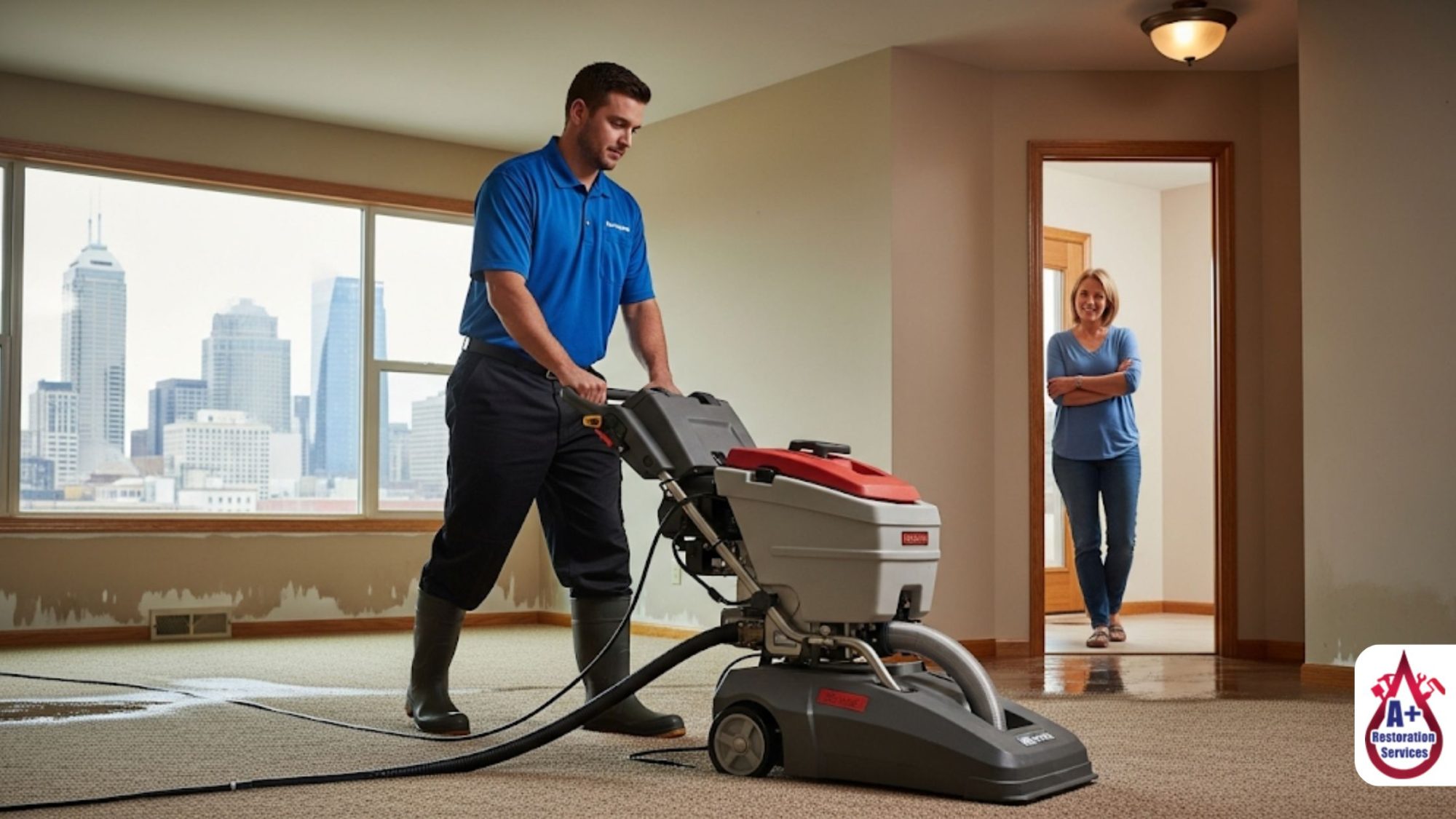
In spring 2024, a Westside homeowner experienced a basement flood after three consecutive days of heavy storms. Water pooled to two inches deep, soaking carpet, cabinetry, and HVAC ductwork.
Emergency Extraction and Drying
The homeowner contacted a local remediation firm within four hours. Crews deployed submersible pumps and wet/dry vacuums to remove standing water. Air movers and humidity-controlled dehumidifiers ran continuously for 96 hours, reducing moisture levels from 85% to below 45%.
Mold Prevention Measures
Technicians applied EPA-registered antimicrobial treatments to structural framing and treated drywall seams with a moisture-blocking agent. Thermal imaging confirmed no hidden reservoirs of dampness. Follow-up moisture readings validated a successful dry-out, eliminating mold risk.
Cost Savings and Peace of Mind
By acting within the critical 72-hour window, the homeowner avoided drywall replacement, carpet removal, and potential HVAC duct sanitization. Total remediation costs ran under $5,000—significantly less than the $15,000 average for delayed flood response in the region. Preventive measures preserved both property value and family health.
Frequently Asked Questions
Does basement flooding cause mold growth?
Basement flooding raises humidity and leaves porous materials wet, creating prime conditions for mold. If not dried within 72 hours, spores germinate and colonize surfaces.
Can mold grow if a basement is dried out?
Proper drying with dehumidifiers and air movers keeps moisture levels below 50%, making mold growth unlikely. However, lingering damp pockets behind walls may still harbor spores if not fully assessed.
Where does mold grow?
Mold thrives on organic materials—drywall, wood, paper, insulation—and in humid corners. It can also grow on dust and in HVAC systems.
How long does it take for mold to grow after a flood?
Under optimal conditions, mold colonies can appear within 24–48 hours of water exposure. Rapid intervention is key to prevention.
Can I remove mold myself after a flood?
Small, non-porous surfaces can be cleaned with detergent or a bleach solution. For extensive contamination, hidden mold, or health risks, hiring professional mold remediation specialists is recommended.
Final Words
Preventing mold after a basement flood demands speed, precision, and the right expertise. Water Damage Restoration Indianapolis teams combine advanced equipment, targeted antimicrobial treatments, and structural improvements to create a hostile environment for mold. By coordinating rapid water extraction, thorough cleaning, and continuous moisture monitoring, homeowners shield their investment and health from the hidden dangers of spore proliferation. For guaranteed results and ongoing support, trust the experienced professionals at A+ Restoration.
Ready to protect your home from mold risk? Reach out today for comprehensive basement flood cleanup and prevention services.